Audio production can get EXPENSIVE… but does it have to be? Here are some tools and considerations that can help you build your own small production studio.
1: Considerations
- What do you want to record?
- How many people do you need to record?
- What is the best tool for the job? (See below)
- Where do you want your recordings to be? (inside, outside, etc.)
- What do you want them to sound like. (Besides phrases like good, or bad, or crappy, compare it to a type of audio production!)
- "I want it to sound like a radio broadcast with very clear voices ."
- "I want it to sound like a podcast where multiple people talk and can be heard."
- "I want it to sound like a music production with lots of different instruments"
- "I want it to sound like a movie soundtrack with lower audio, but lots of mood and ambiance."
2: Based on that, what is the LEAST amount of tools you need?
- A microphone.
- A piece of hardware or software to record and/or edit your audio.
- A decent speaker or a pair of headphones to properly hear what your audio sounds like.
- Some method of saving finished files.
- A location to place your finished files so people can hear them! (soundcloud? the internet? a blog? iTunes? etc.)

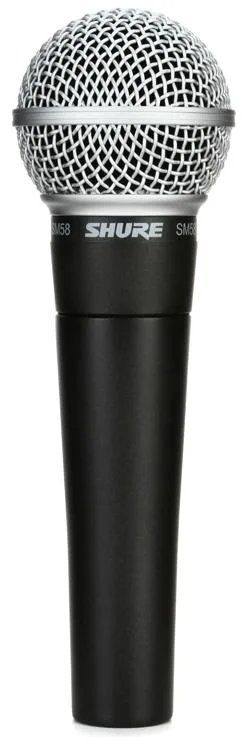
- Dynamic Mic: Uses Electromagnetism to convert sounds into digital signals.
- Our Basic Microphones that we most commonly see are this!
- Built for a variety of situations, but mostly need to receive sound directly to work.

- Condenser Mic
- large and small diaphragm microphone types
- often requires a preamp (some device that relays power to it to work)
- We call this PHANTOM POWER. (Power that comes from some "other" source.)
- USB Mics Commonly used today for live-streaming, podcasting on a budget, etc.
- Relies on the power of your computer to work.
- Example: Blue Yeti
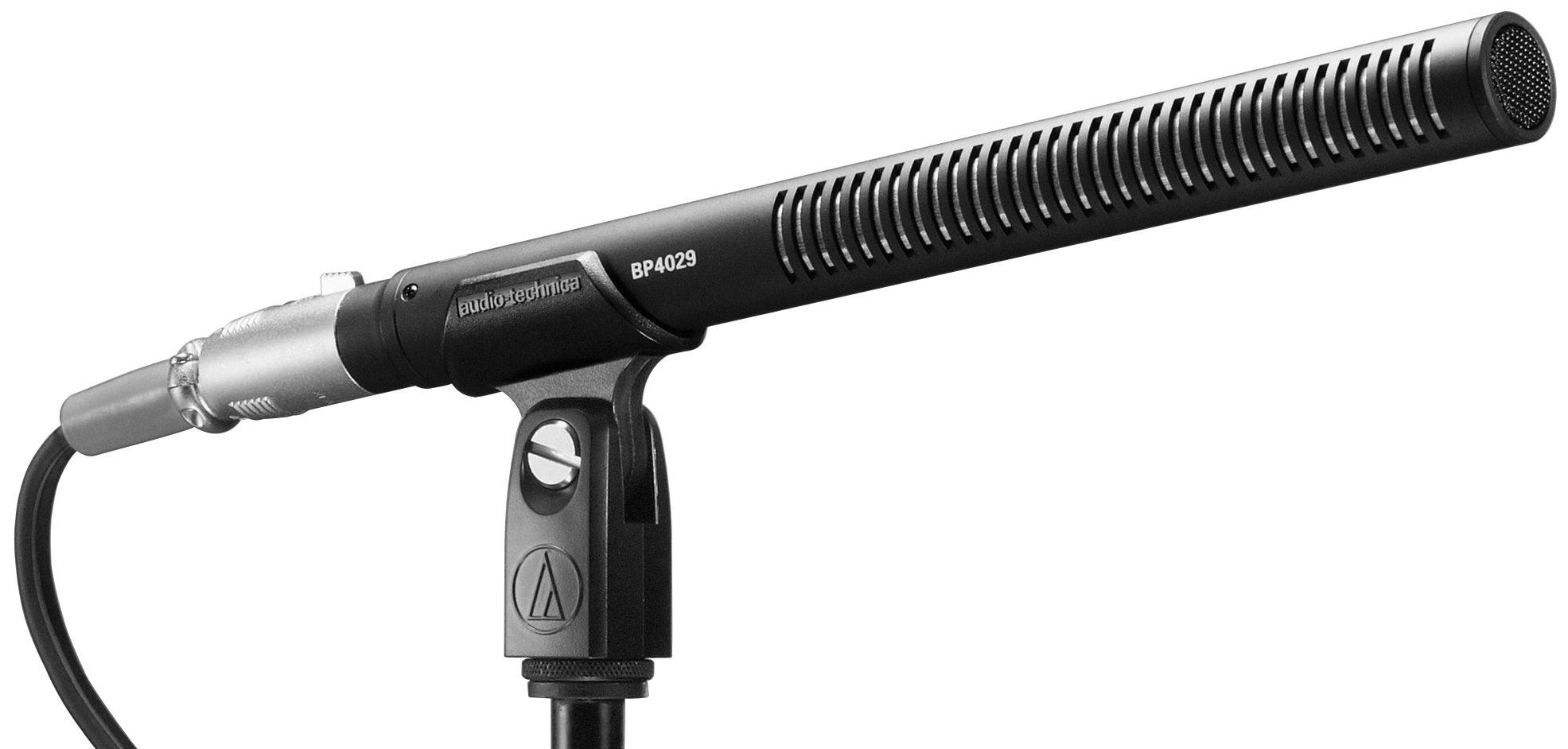
- Shotgun Mics
- Long, round mics that have a very narrow range of audio pickup. Designed for hearing audio that is far away.
- "Point and record! Like a Shotgun! Take the "far away" and make it feel like it's up close!"
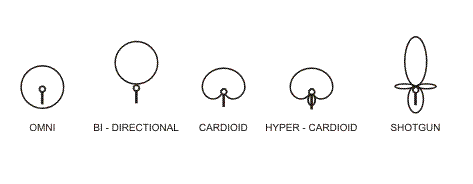
- EXTRA NOTE: Polar Patterns with a link to other types of microphones
- Polar Patterns: How audio is picked up by the microphone.
- Different Microphones have different polar patterns. The polar pattern image is drawn from above the microphone.
- Cardioid:
- Omni Directional
- Figure 8
4: Types of Recording Equipment
- DAW: Digital Audio Workstations
- Paid workstations are available.
- Free Alternatives: https://producelikeapro.com/blog/free-daws-best-available-2018/
- Notables:
- Audacity
- Garage Band
- Cubase LE
- Note: Audio Hijack: A program that lets you grab audio from other sources.
- Handheld Recorder Examples:
- H4N (Brand: Zoom)
- Microtrack II (Brand: M-Audio)
- Your Phone! (With a decent enough microphone!)
5: Good Starter Speakers and Headphones:
- Ask yourself: Do you care about bass? treble?
- It’s always good to find headphones that give you the “basic” tone of your audio, without any bass boosting or treble boosting.
- Headphones vs Earbuds:
- Headphones provide a wider dynamic range for audio, making it easier to distinguish between different tones and frequencies.
6: Environmental tips:
- When recording: Shut off “running” objects that emit low hums. Powerful microphones can pick up these low hums.
- Using soft fabric around your recording location can dampen excess, unwanted sounds, making it easier to record your important audio.
- The quality of the audio you record depends on your mic getting enough power, the acoustics of the environment you are in, type of microphone, and distance from the subject you are recording. Use the right tools for the job!
The starter kit:
- one usb microphone
- a basic speaker
- a DAW like audacity, or garage band.
- some decent headphones
For more info: https://ehomerecordingstudio.com/types-of-microphones/

No comments:
Post a Comment